
_1.svg?language=en-us)
_1.svg?language=en-us)
_1.svg?language=en-us)
_1.svg?language=en-us)





Flight Delays and Cancellations: What to Do When Your Travel Plans Change
Flight delays have become an inevitable part of air travel. Weather disruptions, crew shortages, and an overtaxed air traffic system mean even perfectly planned trips can go sideways. But with the right strategies, applied when booking, the day before departure, and in those critical first minutes after a delay is announced, you can dramatically improve your chances of reaching your destination with minimal stress and expense.
This guide breaks down the tactics experienced travelers use to stay ahead of delays, structured so you can quickly find what you need or read through for a complete strategy.
Understanding the Landscape
The U.S. Department of Transportation publishes monthly Air Travel Consumer Reports that track on-time performance and cancellations across all major carriers. Recent data from the Bureau of Transportation Statistics shows cancellation rates typically hover between 0.5% and 1.0% during calmer periods, spiking higher during major weather events. Delay causes break down into several categories: carrier issues, weather, National Airspace System constraints, late-arriving aircraft, and security.
Weather and airspace constraints create ripple effects throughout the system. The Federal Aviation Administration and Government Accountability Office have documented ongoing challenges including air traffic controller shortages, aging systems, and specialized weather staffing gaps. These systemic pressures mean that routine disruptions during peak demand or storms often compound into larger delays.
Building a Delay-Resistant Itinerary
Your defense against delays starts at booking. The most reliable flights depart early in the morning, typically between 6 and 9 a.m., when aircraft and crews are fresh and delays haven't had time to cascade through the schedule. These first-wave flights consistently show better on-time performance than afternoon or evening departures.
Nonstop flights eliminate the single biggest risk factor: connections. Every additional flight segment multiplies your exposure to delays. If you must connect, build in substantial buffers, at least 90 minutes for domestic connections, and 2.5 to 3 hours for international. Avoid booking connections during tight bank times at hubs known for weather problems.
Choose airports and routes with multiple daily frequencies. If your first option fails, having several backup flights on the same route gives you alternatives. The DOT's monthly performance tables show which carriers and routes maintain the strongest on-time records, giving you data to inform your booking decisions.
Basic economy fares can be tempting, but the restrictions often create problems during delays. Review our basic economy guide to understand the tradeoffs before booking.
Day of week matters too. Tuesdays and Wednesdays typically see less congestion than the weekend crush on Fridays and Sundays. First flights of the day on midweek days offer your best statistical odds. Learn more about the best times to fly.
The Ground Game: Parking and Logistics
One often-overlooked source of travel-day stress is parking. Scrambling for a spot when you're already anxious about making your flight adds unnecessary pressure. Booking airport parking in advance locks in your rate and guarantees availability. Look for facilities with 24/7 shuttle service and mobile app integration that lets you track shuttle locations in real time, critical when flight times shift.
Covered parking protects your vehicle from weather, and many facilities now offer EV charging for electric vehicles. Some locations provide valet service, letting you hand off your keys and catch an immediate shuttle.
Loyalty programs for parking can generate real value for frequent travelers. Points-based systems often include benefits like free parking days, premium spot access, and rate discounts that compound over multiple trips. Learn how to redeem points to maximize your rewards. The best programs let you manage reservations through a mobile app, extending your stay seamlessly if delays push your return into the next day. Look for parking coupons and discounts to maximize savings.
The 24-Hour Window
The day before departure is when smart travelers shift from planning mode to active monitoring. Open your airline's app and confirm your aircraft assignment and seat. Many apps now show the inbound aircraft's status, if it's running late, you have advance warning that your departure may slip.
Set up notifications for any gate or time changes. Airlines often make schedule adjustments overnight as they reposition aircraft and crews, and you want to know immediately if something shifts.
Check weather forecasts for your departure city, destination, and any connection points. Pay particular attention to winter storm fronts and summer thunderstorm patterns.
Assemble your delay kit: portable battery and charging cables, snacks, refillable water bottle, and critically, at least 48 hours of any necessary medications in your carry-on. Create a one-page reference sheet (digital or printed) with your confirmation numbers, frequent flyer status details, employer travel contact if applicable, and your preferred alternative flights for the route. When delays hit, this prep work lets you advocate for yourself quickly and effectively.
Seat Selection Strategy
Not all seats are equal during irregular operations. Avoid booking exit rows if traveling with children under 15, as age restrictions may force a last-minute reassignment when you least need the hassle. For tight connections, seats forward of the wing save precious minutes during deplaning.
Save boarding passes to your device's wallet as a backup. Apps can become glitchy during schedule changes when servers are overwhelmed with rebooking requests.
Security and Baggage
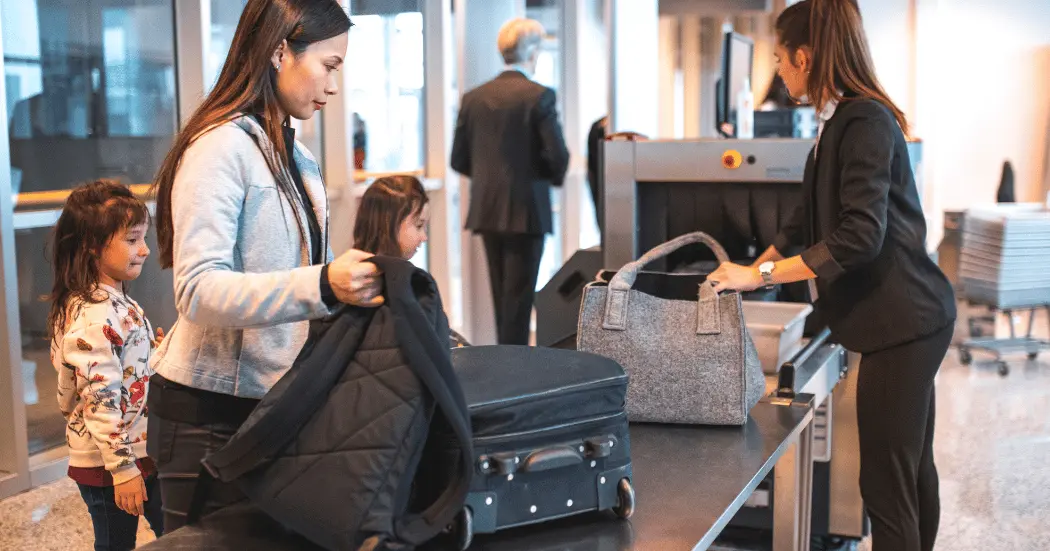
TSA PreCheck or Global Entry pays for itself the first time you breeze through security while the main lines snake through the terminal. During delays and cancellations, when you may need to rush to a different gate or terminal, that time savings becomes crucial.
Pack anticipating you might need to re-screen. Keep liquids and electronics easily accessible. If you gate-check a bag due to overhead space, make sure contact information is inside the bag as well as on the outside tag.
For checked luggage, use bright identifying tags and consider an AirTag or similar tracker. Photograph your bag at check-in. Put a paper copy of your itinerary and contact details inside the bag, external tags can separate, but internal documentation stays with the bag.
When Delays Hit: The First Five Minutes
Speed matters. During system-wide disruptions, available seats on alternative flights disappear rapidly. Your actions in the first few minutes after a delay posts can mean the difference between reaching your destination that night or the next morning.
Immediately open your airline's app to check the new estimated times and aircraft status. Start searching for alternatives on the same carrier first, this keeps your ticket intact and simplifies rebooking. Look at alliance partner flights as backup options.
Multi-thread your response. Send a message through the app's chat function, call the airline's customer service number, and if you're at the airport, walk to the gate agent while you're on hold. Whichever channel reaches a human first becomes your rebooking path.
If you drove and parked, extend your reservation immediately through the parking facility's app to avoid surprise fees or complications when you return. If a significant delay or overnight disruption looks likely, reserve a backup hotel with free cancellation near your connection city.
When you reach an agent or representative, have your alternatives ready. Use clear, specific language: "I'm on flight 123 from Boston to Denver, delayed four hours with a misconnect in Chicago. I can also take flight 456 at 3 p.m. or connect through Minneapolis if that gets me there today. Can you get me on the earliest option?"
Your Rights: U.S. Flights
In the United States, if an airline cancels your flight or makes a significant schedule change, you're entitled to a refund if you choose not to travel, even on nonrefundable tickets. This is Department of Transportation policy. However, there's no universal requirement for cash compensation for delays in the U.S.
Many airlines voluntarily offer meal vouchers or hotel accommodations during delays they control, such as maintenance issues or crew problems. These commitments vary by carrier and are published on the DOT's airline customer service dashboard. Weather delays and air traffic control issues typically don't trigger these benefits because they're considered beyond the airline's control.
Your Rights: European Union Flights
EU Regulation 261/2004 provides stronger passenger protections. If your flight departs from any EU airport, or arrives in the EU on an EU carrier, you may be entitled to fixed compensation ranging from €250 to €600 for cancellations or significant delays (generally three or more hours at final destination).
The amount depends on flight distance and actual delay. Airlines can avoid payment by proving "extraordinary circumstances" like severe weather or security threats, but mechanical issues and crew scheduling problems don't qualify as extraordinary. You must file a claim, compensation isn't automatic.
Documentation and Claims
Document everything from the moment a delay or cancellation occurs. Take screenshots of delay notifications, boarding passes, and rebooking confirmations. Keep receipts for meals, transportation, and hotels you pay for out of pocket.
Submit claims through the airline's website, keeping all case numbers. For EU 261 claims, attach proof of your actual arrival time and your original schedule. Airlines have specific timeframes for responding, typically 6-8 weeks.
Travel Insurance and Credit Card Protection
Many travel insurance policies and premium credit cards include trip delay and interruption coverage. Common triggers require delays of 6 to 12 hours before benefits activate, with daily caps on reimbursement for meals, hotels, and ground transportation.
Credit card trip delay protection typically requires you to have purchased the ticket with that card. Coverage details vary significantly, some cards have per-ticket caps, others limit covered reasons for delays. Review your specific card's benefits guide before traveling.
Always keep receipts and get written documentation of the delay from the airline when possible. Claims require proof of both the delay and your expenses.
Broader System Issues
Operational constraints sometimes stem from factors beyond any single airline's control. Air traffic controller shortages, aging infrastructure, and specialized staffing gaps have been documented by federal oversight agencies. These systemic issues can slow recovery from even routine disruptions.
When you hear news about government shutdowns, controller staffing issues, or system-wide challenges, build extra buffer time into your connections and consider whether you can shift travel dates to avoid peak pressure periods. Monitor official FAA and DOT channels for updates that might affect your specific travel window.
The Experienced Traveler's Checklist
Before you leave home:
- First flight of the day, nonstop if possible
- Parking reserved with shuttle tracking enabled
- TSA PreCheck enrolled
- Alternative flights researched
- Delay kit packed
The night before:
- Inbound aircraft status checked
- Weather reviewed at all relevant airports
- Notifications enabled for schedule changes
- Boarding pass in digital wallet
When delays happen:
- App, phone, and gate agent contacted simultaneously
- Alternative flights identified
- Parking reservation extended if needed
- All notices and receipts documented
- Hotel with free cancellation reserved if overnight delay likely
Turning Delays into Opportunities
A delay doesn't have to mean misery. Modern airports have evolved from sterile waiting rooms into destinations themselves, and knowing what's available can transform a frustrating situation into something almost pleasant.
Dining Beyond Fast Food
The days of choosing between stale pizza and overpriced burgers are largely over at major hubs. Airports now host acclaimed local restaurants, celebrity chef outposts, and regional specialties that give you a taste of your destination before you even arrive. Whether you're delayed in Austin sampling barbecue, stuck in Portland exploring craft beer, or waiting in Seattle for fresh seafood, you can find genuinely good meals.
Most major airports now include sit-down restaurants with full bars where you can relax with table service rather than clutching a bag while standing at a counter. Many offer happy hour specials during traditional afternoon hours. If you have a long delay, making a reservation at one of these spots can give structure to your wait and ensure you have a comfortable place to sit with power outlets for your devices.
Even quick-service options have improved dramatically. Look for local chains and regional favorites rather than defaulting to national franchises. The food is often better, and you'll get a more authentic sense of place. Our guide to airport eating.
Shopping and Retail Therapy
Airport retail has expanded far beyond duty-free liquor and travel pillows. Major terminals now feature everything from luxury boutiques to bookstores, electronics shops to spas. If you're facing a long delay, this can be an opportunity to handle errands you've been putting off.
Forgot something essential? Nearly every major airport has sundries shops with travel basics, electronics, and clothing. Need a book for the flight? Airport bookstores typically stock bestsellers, magazines, and local interest titles. Many terminals include pharmacies where you can pick up over-the-counter medications or personal care items.
Some airports have taken retail to another level with local artisan shops, museum stores, and regional specialty retailers. These give you access to destination-specific souvenirs without leaving the terminal, perfect if your schedule got compressed and you won't have time for shopping at your destination.
Family-Friendly Amenities

Traveling with children during delays presents unique challenges, but many airports now offer dedicated play areas that can save parents' sanity. These range from simple padded climbing structures for toddlers to elaborate themed play zones for older kids.
Play areas give children a safe space to burn energy after being confined to airplane seats. Most feature soft surfaces and are enclosed or semi-enclosed, letting parents relax slightly while kids explore. Some airports have gone further, adding interactive exhibits, video game stations, or even miniature aviation-themed experiences where kids can role-play as pilots or air traffic controllers.
Nursing mothers will find dedicated spaces in most major terminals, comfortable, private rooms designed for feeding and changing infants. These rooms typically include seating, changing tables, and sinks, providing a respite from the chaos of the main concourse.
Family restrooms with changing tables sized for toddlers and special-needs travelers are increasingly common. Some airports offer stroller rentals if you didn't bring your own or need a backup.
Workspaces and Connectivity
Business travelers facing delays need productive environments. Many airports now provide dedicated workspaces separate from gate seating, quiet zones with business-height tables, comfortable chairs, and abundant power outlets. Some even include small conference rooms available by reservation.
Free wifi is nearly universal, though quality varies. If you need reliable connectivity for video calls or large file transfers, consider a day pass to an airline lounge or independent airport lounge. These typically include premium wifi, printing services, and business centers.
Standing desks and phone booths for private calls are appearing in more terminals, recognizing that travelers need flexibility in how they work while waiting.
Wellness and Self-Care
The stress of travel and delays takes a physical toll. Progressive airports have added wellness amenities to help travelers recover. Airport spas offer everything from 15-minute chair massages to full spa services. Even a brief massage can ease the tension from hauling luggage and cramped seating.
Yoga rooms provide quiet spaces for stretching and meditation. Some airports include fitness centers where you can shower after a workout during a long layover. A few have walking paths with distance markers, encouraging movement during extended waits.
Meditation rooms and interfaith chapels offer quiet refuges for reflection or prayer, separate from the terminal bustle.
Lounges Without Status
You don't need elite status or a first-class ticket to access airport lounges anymore. Many lounges now sell day passes, typically ranging from $30 to $60. During a three-hour delay, this can be money well spent for the food, drinks, comfortable seating, and quieter environment.
Priority Pass and similar programs provide access to networks of lounges for an annual fee, worthwhile for frequent travelers who don't have status with a specific airline. Some premium credit cards include complimentary Priority Pass membership.
Independent lounges not affiliated with airlines often offer the best value, with pay-as-you-go access and amenities rivaling airline-branded spaces.
Making the Most of Your Airport
Before you travel, research your specific airport. Different terminals at the same airport can vary dramatically in amenities. Knowing whether you should eat before security or wait until airside, whether your terminal has the kids' play area or the good bookstore, and where the quietest workspaces sit can make delay time dramatically more bearable. Check out our detailed airport guides for major hubs.
For more ideas on making the most of layovers, explore guides to the best airport bars and restaurants and general layover strategies.
If you have a very long delay, four hours or more, and your airport has good ground transportation, consider leaving the airport entirely for a meal or quick sightseeing. Just build in plenty of buffer to get back through security. Some cities offer free or low-cost short tours specifically designed for travelers with long layovers.
The key is shifting your mindset from "I'm stuck here" to "I have unexpected free time." With the right approach and knowledge of what's available, even a delay can become an opportunity to relax, explore, or catch up on tasks you've been postponing.
The Bottom Line
You can't control weather or fix air traffic controller shortages, but you can control your exposure and your response. Book flights with built-in resilience. Monitor actively in the 24 hours before departure. Move fast when disruptions occur. Document thoroughly for claims and reimbursement.
The travelers who handle delays best aren't lucky, they're prepared. They've thought through their backup plans before problems arise, they understand their rights and benefits, and they know how to advocate effectively for themselves when speaking with airline representatives.
Flight delays will continue to be part of travel. But with the right approach, you can minimize their impact on your time, money, and sanity. The difference between a minor inconvenience and a travel disaster often comes down to decisions made weeks before you ever reach the airport, and actions taken in the first few minutes after you learn about a problem.
Plan smart. Monitor actively. React quickly. And when delays do catch you, at least you'll have your parking sorted.
Frequently Asked Questions
What's the average U.S. cancellation rate right now?
Cancellation rates fluctuate by month, carrier, and season. The Department of Transportation's Air Travel Consumer Report publishes official monthly statistics. Recent data from the Bureau of Transportation Statistics shows rates typically ranging around 0.5% to 1.0% during calmer months, with spikes during major weather events. Individual carriers vary significantly, some consistently perform better than others. Check the latest monthly report for current figures and carrier-specific breakdowns.
Are airlines required to compensate me for a delay in the U.S.?
No universal cash compensation requirement exists in the U.S. for delays. However, you are entitled to a full refund for cancellations or significant schedule changes if you choose not to travel, even on nonrefundable tickets. Many airlines voluntarily offer meal vouchers or hotel accommodations during controllable delays (like maintenance or crew issues), with specific commitments published on the DOT's consumer dashboard. Weather and air traffic delays typically don't trigger these benefits.
When does EU 261/2004 apply to my flight?
EU Regulation 261/2004 applies if your flight departs from any EU airport (regardless of carrier) or arrives in the EU on an EU-carrier. You may receive fixed compensation of €250 to €600 for cancellations or delays of three or more hours at your final destination. The amount depends on flight distance and actual delay length. Airlines can deny claims by proving "extraordinary circumstances" like severe weather, but mechanical problems and crew scheduling don't qualify. You must file a claim, compensation isn't automatic.
Do travel insurance or credit cards cover flight delays?
Often, yes. Many travel insurance policies include travel delay and trip interruption benefits that activate after 6 to 12 hours of delay. Premium credit cards frequently offer similar protection if you purchased the ticket with that card. Coverage varies widely: some have per-ticket caps, daily limits on reimbursable expenses, or restrictions on what delay causes qualify. Review your specific policy or card benefits guide before traveling, and always keep receipts for any expenses you incur.
What's the single best strategy to avoid getting stuck?
Book the first nonstop flight of the day whenever possible. Early morning departures benefit from fresh crews and aircraft that haven't accumulated delays, and nonstop flights eliminate the risk of missed connections. The day before departure, monitor your inbound aircraft status through your airline's app. If you see problems developing, you can proactively move to an alternative while seats are still available.
Should I book basic economy if delays are likely?
Probably not. Basic economy fares restrict flexibility in ways that become expensive during irregular operations. You may face fees for changing flights, limited rebooking priority, and no ability to select seats in advance (making families more vulnerable to separation). For routes or seasons with high delay probability, the savings from basic economy can evaporate quickly if you need to make changes. Consider whether the restricted ticket type fits your risk tolerance and schedule constraints.
What should I do with my airport parking if my flight is delayed overnight?
Most parking facilities allow you to extend your reservation through their mobile app or website. Do this as soon as you know your delay will push you to the next day to avoid surprise fees or complications at exit. If you booked with a pay-later option, you maintain flexibility on rate changes. Having 24/7 shuttle service becomes especially valuable during overnight delays, you don't want to arrive back at 2 a.m. and discover shuttles stopped running hours ago. At the parking spot, we’ve got you covered for unexpected delays.
Can I leave the airport during a long delay?
Yes, but build in substantial buffer time to return through security. If you have a four-hour or longer delay and your airport offers good ground transportation, leaving for a meal or quick sightseeing can improve the experience. However, if your rescheduled flight shows any possibility of moving earlier, or if you're in an unfamiliar airport during peak security times, staying airside is safer. Remember that you'll need to go through security screening again when you return.
How do I find out what amenities my specific airport offers?
Research before you travel. Most airport websites list restaurants, shops, play areas, and services by terminal. Look for terminal-specific guides that show what's available in your actual departure or arrival area, since amenities vary dramatically between terminals at the same airport. Many airports now have interactive maps showing real-time gate locations, restaurant wait times, and facility availability.
What if I have connecting flights on different airlines?
Separate tickets create challenges during delays. If you booked through one airline with a confirmed connection, they're responsible for rebooking if you misconnect due to their delay. If you bought separate tickets from different airlines, you're generally on your own to rebook and may lose the value of unused segments. This is a key reason to avoid "hacker fares" that combine different carriers on separate tickets unless you have substantial buffers built in.
Are there strategies specific to traveling with checked bags during delays?
Checked bags complicate rebooking because they may not move with you to alternative flights. If you're rebooked on a different airline or an earlier flight, your bag might not make the transition. During irregular operations, consider gate-checking your carry-on only if necessary. If you must check bags, photograph them, use tracking devices, and keep essential items (medications, documents, one change of clothes) in your carry-on. During significant delays, ask agents to confirm your bags are moving with you to the new flight.
How far in advance should I arrive at the airport if delays are likely system-wide?
Don't arrive earlier than normal just because delays are likely. If your flight is delayed, arriving at the airport three hours early doesn't help, you'll just wait longer in the terminal. However, if delays are system-wide and you want the option to stand by for earlier flights, arriving with extra buffer gives you that flexibility. Monitor your flight status from home or your hotel and adjust departure timing if you see schedule changes developing.