
_1.svg?language=en-us)
_1.svg?language=en-us)
_1.svg?language=en-us)
_1.svg?language=en-us)





The 7 Best Zoos in America: Wildlife Experiences Actually Worth Traveling For
Updated April 2026
A great zoo is more than just a place to see animals. It can change the way you think about them.
The best zoos make you forget you’re in the city. They give animals space to act naturally, not just as displays. You might see a polar bear swimming, a gorilla watching you, or a giraffe close enough that you notice its eyelashes.
America has thousands of zoos and aquariums. Most are fine. A small number are exceptional. These seven are the ones worth crossing state lines for. If you only ever visit one or two zoos in your life, start here.
How This List Was Chosen
This is not a popularity contest. We reviewed AZA-accredited zoos across the country, focusing on four key aspects that truly matter for a great visit.
● Animal experience: Space, enrichment, and habitats that allow natural behavior.
● Conservation credibility: Real breeding programs, real field impact, real results.
● Visitor experience: Layout, immersion, flow, and whether the zoo respects your time.
● Consistency: What people experience on an average day, not just a perfect one.
If a zoo felt old, crowded, or too focused on selling things, it didn’t make the list. Only seven did.
1. San Diego Zoo (San Diego, California)
San Diego Zoo is always mentioned in serious 'best zoo' lists for a reason. It’s not just hype, it’s because they do things right.
For over a hundred years, this zoo has worked to define what a modern zoo should be, and it shows. The grounds are spacious and thoughtfully designed. Animals are active, and the habitats are rich and layered. You never feel rushed or forced along a set path.
With over 12,000 animals on 100 acres, San Diego Zoo feels more like a world tour than just one attraction. You could spend a whole day here and still feel like there’s more to see.
Their conservation work is top-notch. They have reintroduced 44 species into the wild, which is a rare achievement.
Why It Stands Out
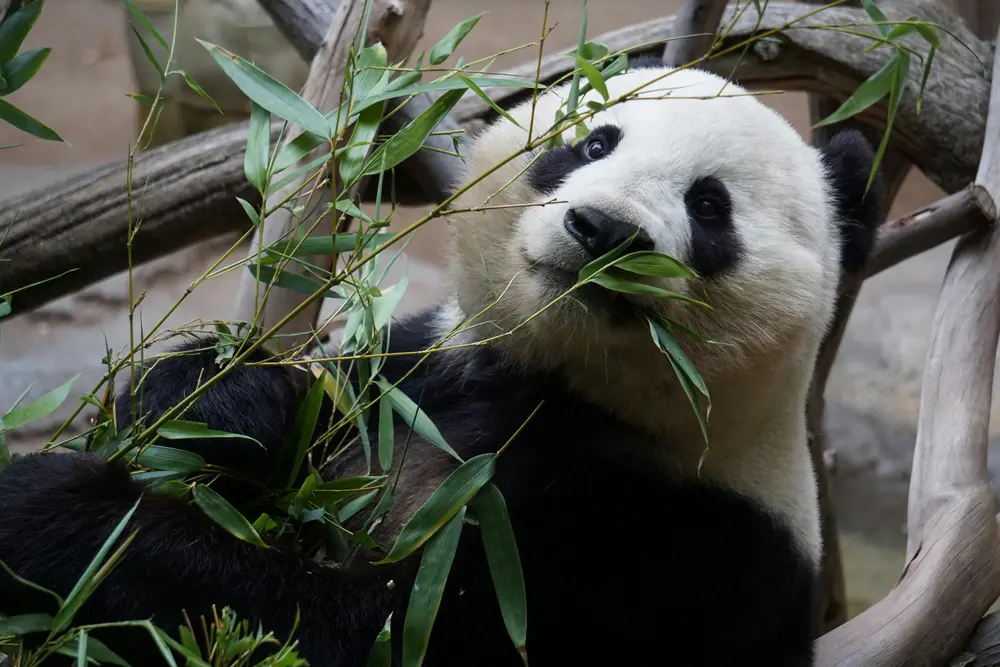
● Panda Ridge is one of the best panda habitats in North America. The pandas are visible, active, and clearly well cared for.
● Elephant Odyssey gives elephants the space they need. Seeing them move across open land makes you rethink older elephant exhibits.
● Safari Park, located outside the city, is absolutely worth the extra drive if you have time. It is closer to a true safari than almost anything else in the country.
The landscaping is also impressive. With over a million plants, the zoo feels natural and immersive instead of artificial.
Bottom line: If I had to pick one zoo that sets the standard, it would be this one.
2. Bronx Zoo (New York City, New York)
The Bronx Zoo is large in a way that really makes a difference.
At 265 acres, it’s one of the world’s biggest city zoos, and it uses the space well. What makes it special isn’t just its size, but how immersive it feels. Some areas feel like real ecosystems, not just displays.
You can walk from the Bronx into areas that feel like Central Africa or Southeast Asia in just minutes. The change is so convincing, you forget you’re still in the city.
Why It Works
● Congo Gorilla Forest is one of the best gorilla experiences in North America. Watching group dynamics here is quietly mesmerizing.
● JungleWorld is dense, humid, and detailed in a way few indoor exhibits manage to pull off.
● Wild Asia Monorail gives you space and perspective. It is not flashy, but it feels authentic.
This zoo is best enjoyed slowly. Take your time and watch longer, you’ll notice more!
Bottom line: If you want to escape city life without leaving New York, this is the place to go.
3. Smithsonian’s National Zoo (Washington, D.C.)
The most impressive thing about the National Zoo isn’t just that it’s free, it’s that it’s free and still world-class.
Located on 163 acres in Washington, D.C., this zoo offers real conservation work, well-designed exhibits, and good animal care, all without charging admission. That’s rare!
Almost one-fifth of the animals here are threatened or endangered, and the zoo’s research partnerships go far beyond its grounds.
Highlights Worth Prioritizing
- Giant Panda Habitat remains a major draw, and for good reason. The zoo’s panda program is long-established and well executed.
- Elephant Trails provides real space and supports an active breeding program.
- Amazonia is immersive, humid, and convincingly alive.
- American Trail is one of the better North American wildlife sections you will find.
Bottom line: Free admission here doesn’t mean you miss out. It means everyone can visit.
4. Brookfield Zoo (Chicago, Illinois)
Brookfield Zoo knows that just watching animals isn’t enough. The setting matters too.
Spread over 216 acres, this zoo is great at making spaces where animals can act naturally. When animals are active and comfortable, your visit is instantly better.
Where Brookfield Shines
- Tropic World feels like three real rainforests stitched together. The multi-level design is particularly effective.
- Great Bear Wilderness is one of the best bear exhibits in the country. Watching polar bears swim past underwater windows never gets old.
- Hamill Family Play Zoo balances education and play better than most child-focused areas.
The addition of koalas gives Brookfield another standout moment, especially for repeat visitors.
Bottom line: This zoo is excellent, even if it doesn’t always get the attention it deserves outside the Midwest.
5. Columbus Zoo and Aquarium (Columbus, Ohio)
Columbus Zoo stands out by doing the basics really well, then adding even more on top.
With almost 10,000 animals and clear sections by region, the zoo is easy to get around and fun to explore. You never feel lost or overwhelmed.
Standout Areas
- Heart of Africa offers open sightlines and active animals.
- Asia Quest includes one of the better walk-through aviaries in the country.
- The Shores and Aquarium adds depth and variety to the experience.
This zoo is also important for national breeding programs, so your visit helps support that work.
Bottom line: If you like a well-organized, large, and varied zoo, Columbus is a great choice.
6. Omaha’s Henry Doorly Zoo and Aquarium (Omaha, Nebraska)
Henry Doorly Zoo is ambitious in ways that most other zoos don’t even try.
Here, you’ll find the world’s largest indoor desert, rainforest, and nocturnal exhibit. These aren’t just marketing claims, they’re real and impressive.
What Makes It Special
- Desert Dome is massive and genuinely transporting.
- Lied Jungle feels more like entering an ecosystem than an exhibit.
- Kingdoms of the Night flips your expectations and rewards curiosity.
Bottom Line: The zoo’s leadership in animal genetics and reproductive science adds serious weight to the experience.
7. Houston Zoo (Houston, Texas)
Houston Zoo shows that bigger isn’t always better.
At 55 acres, it’s smaller than many others on this list, but it makes smart use of its space. Every ticket helps support conservation projects worldwide, so your visit has extra meaning.
Highlights:
- African Forest offers excellent proximity without feeling intrusive.
- Galápagos Islands is thoughtfully designed and surprisingly calming.
- Bug House is far more engaging than most people expect.
- Water Play Park is a smart, family-friendly addition for hot weather.
The zoo is inside Hermann Park, so it feels like a natural part of the city instead of being separate from it.
Bottom line: This is one of the most mission-focused zoos in the country.
Tips for Making the Most of Your Zoo Visit
- Arrive early. Animals are more active and crowds are lighter.
- Spring and fall offer the best balance of weather and access.
- Download the zoo app before you go.
- Plan to take breaks. Walking around zoos can be more tiring than you might think.
- Memberships often pay for themselves quickly.
Frequently Asked Questions About Visiting America's Best Zoos
What is the best time of year to visit a zoo?
Spring and fall offer the best overall experience. You'll enjoy comfortable weather, smaller crowds compared to summer, and most animals are active during these moderate temperatures. Early morning visits are ideal year-round since animals tend to be most active when it's cooler. If you don't mind the cold, winter visits offer significantly lower ticket prices at many zoos, shorter lines, and you can explore the excellent indoor exhibits most top zoos maintain.
How much does it cost to visit these top zoos?
Admission prices vary quite a bit. The Smithsonian's National Zoo in Washington D.C. is completely free (though parking costs $30-40). Most other top zoos range from $20-35 for adults, with children's tickets running $15-25. San Diego Zoo is on the higher end at around $76 for adults. Many zoos offer discounted tickets when purchased online in advance, and membership often pays for itself after just two visits. Military discounts, free admission days, and reciprocal zoo memberships can also help you save money.
How long should I plan to spend at a zoo?
Plan for at least 4-6 hours at any of these major zoos, though you could easily spend an entire day at larger facilities like San Diego Zoo, Bronx Zoo, or Omaha's Henry Doorly Zoo. If you want to see everything without rushing, consider a two-day visit or getting a membership. Families with young children might want to plan for a half-day visit with plenty of breaks built in.
Are zoos suitable for toddlers and young children?
A: Absolutely! All seven zoos on this list are incredibly family-friendly. Most have dedicated children's areas with petting zoos, playgrounds, and interactive exhibits designed specifically for little ones. Stroller rentals are available, nursing stations are provided, and kid-friendly food options are plentiful. Many zoos also offer water play areas during summer months, which are perfect for cooling off. Just remember that young children tire quickly, so plan for a shorter visit with rest breaks.
Can I bring my own food and drinks to the zoo?
Most zoos allow you to bring your own food and non-alcoholic beverages, which can save you significant money. Picnic areas are typically available throughout the grounds. However, some exhibits prohibit food and drink inside (like reptile houses or indoor rainforests), so you'll need to finish snacks before entering those areas. Glass containers and alcohol are generally not permitted. Check the specific zoo's website for their food policy before you pack your cooler.
Do I need to buy tickets in advance?
Yes, advance tickets are now required at most major zoos. The Smithsonian's National Zoo requires free reservations, and while the zoo is free, you must book your entry time online. Most other zoos have moved to timed-entry tickets or at least strongly encourage advance purchase. Buying online often saves you money compared to gate prices, and it guarantees you'll get in on busy days when the zoo might reach capacity. During peak season (especially summer weekends and holidays), tickets can sell out days in advance.
What should I wear and bring to the zoo?
Comfortable walking shoes are absolutely essential since you'll easily walk 3-5 miles during your visit. Dress in layers so you can adjust as you move between outdoor areas and climate-controlled indoor exhibits. Bring sunscreen, a hat, and sunglasses for sun protection. A refillable water bottle saves money and most zoos have filling stations throughout the grounds. Don't forget your phone charger since you'll use your phone for maps, photos, and checking feeding times.
Are zoos wheelchair and stroller accessible?
Yes, all major AZA-accredited zoos are required to be accessible. Paved pathways connect exhibits, ramps are available where there are elevation changes, and accessible restrooms are located throughout the grounds. Wheelchair and ECV (electric convenience vehicle) rentals are available at most zoos on a first-come, first-served basis. Some zoos have hilly terrain, so check the zoo map beforehand if mobility is a concern. Stroller rentals are also available, though bringing your own ensures you'll have one.
Can I feed or touch the animals?
This varies by zoo and exhibit. Many zoos offer scheduled animal feeding experiences where you can feed giraffes, stingrays, or other animals under keeper supervision. These experiences sometimes require an additional fee and advance booking. General touching or feeding of animals is prohibited for both visitor safety and animal welfare. Always follow posted signs and keeper instructions. Behind-the-scenes tours and special encounters provide more intimate animal interactions if you're looking for something extra special.
What if it rains on the day of my zoo visit?
Don't cancel! Many exhibits are indoors, and animals often become more active in the rain. Bring rain jackets or ponchos (umbrellas can be cumbersome in crowds), and waterproof your phone and camera. The crowds thin out considerably in bad weather, giving you a more intimate experience. Some of the most memorable zoo visits happen when you see elephants playing in puddles or big cats enjoying the rain. Just check if any outdoor-only attractions (like sky rides or trains) might be closed due to weather.
Are there dining options inside the zoo?
Every major zoo has multiple dining options ranging from full-service restaurants to quick-service cafes and food trucks. Expect to pay theme park prices (typically $12-18 for entrees, $3-5 for drinks). Most zoos offer kid-friendly options like pizza, chicken tenders, and burgers, along with healthier choices like salads and wraps. If you have dietary restrictions, check the zoo's website beforehand as many now accommodate vegetarian, vegan, and allergen-free diets.
Do these zoos have parking, and is it free?
Parking availability and cost vary significantly. Omaha's Henry Doorly Zoo offers free parking. San Diego Zoo currently has free parking but will start charging in 2026. The Smithsonian's National Zoo charges $30 (or $40 day-of). Brookfield Zoo charges $17-20. Some zoos like Houston Zoo and Bronx Zoo recommend using public transportation or ride-sharing services because parking fills quickly. If you're visiting a zoo in a major city, consider parking off-site and taking public transit to save money and avoid parking hassles.
Create Unforgettable Zoo Memories
Whether you're watching giant pandas munch bamboo in San Diego, coming face-to-face with a polar bear in Chicago, or exploring the world's largest indoor rainforest in Omaha, these seven zoos offer experiences that'll stick with you long after you've returned home.
Here's the best part: when you visit these zoos, you're not just creating memories. You're actively supporting vital conservation work that protects endangered species around the world. Every ticket purchased funds field research, habitat protection, breeding programs, and educational initiatives that make a real difference.
Ready to start planning your zoo adventure? Don't forget to book your tickets in advance (many zoos now require reservations), check for special events or exhibits, and consider adding on behind-the-scenes experiences for that extra-special touch.
And before you head to the airport, make your travel even smoother by reserving parking with The Parking Spot. We offer convenient, secure, and affordable parking near major airports, so you can start your adventure stress-free. After all, the only thing you should be worried about is which animal you're most excited to see, not where you parked your car.